
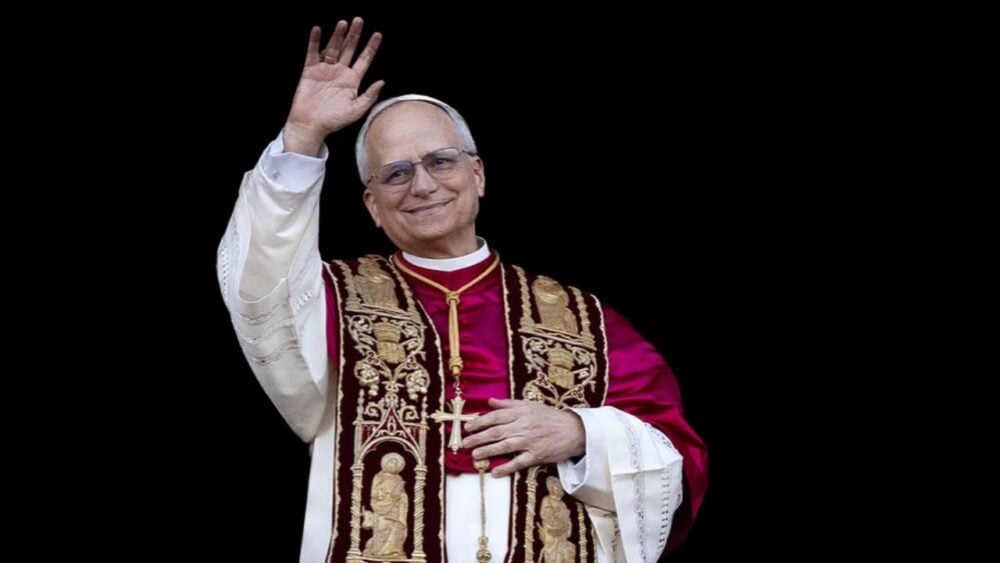
“We want to be a synodal church.” So declared Leo XIV as he stood on the balcony of St. Peter’s last year
Last week, everyone gave their assessment of Leo’s first year on the job. I think Integrity staff writer Riaan Van Zyl has the best take on it. If you haven’t done so already, you can read his masterful takedown of the last 365 days at the “Conciliar Circus” here.
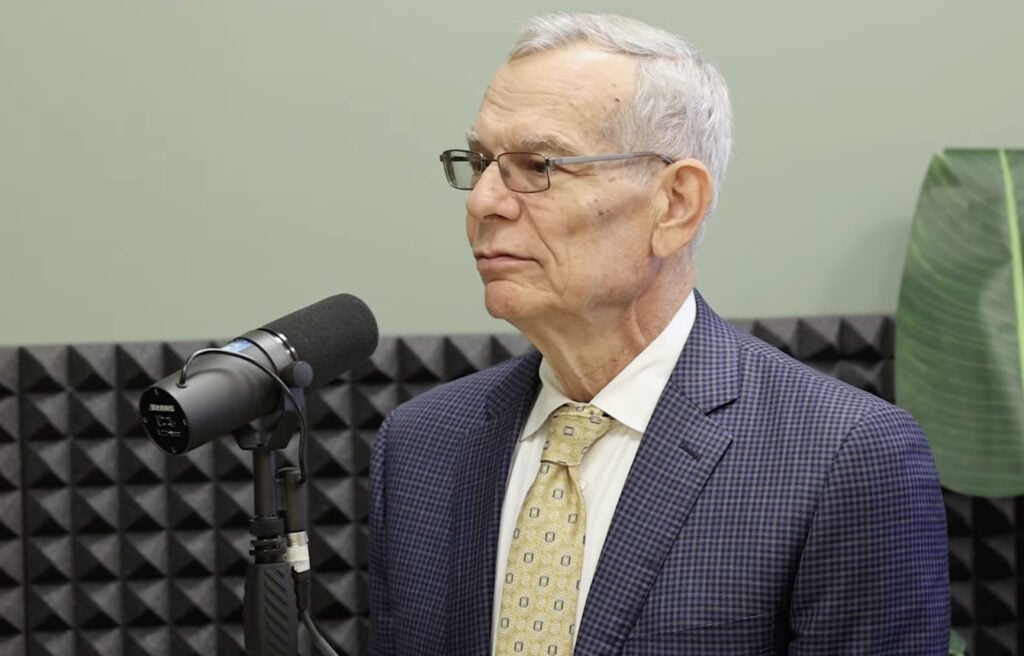
Having said that, I like Fred Simon’s analysis as well:
Just days after the conclave last year, I wrote a blog post titled “Francis 2.0” for my Kokx News Substack. I want to spend a minute reiterating what I said in that.
After World War II, the Soviet Union established the Iron Curtain by installing puppet states across Eastern Europe. The “leaders” of those countries were not truly leaders. Nor were they free to do what they wanted. They were mere functionaries of a larger system.
In a similar way, following the Second Vatican Council the Conciliar Church erected its own totalitarian regime by setting up the Novus Ordo religion. While each of the conciliar “popes” have certainly had different traits and characteristics, they all subscribed to the same erroneous (modernist) ideology.
The Dispatch
So while Leo has been different in temperament and “pastoral style” than Francis, ideologically, they are aligned. Which is why he is so dangerous
Modernism with a smile
The revolution that was unleashed at Vatican II will continue to march on under Leo, but it will be dressed in traditional garb and will come with a smile instead of the insults and jeers of Francis. Leo admitted his adherence to the Bergoglio agenda not long after his election while speaking to the cardinals:
“I would like us to renew our complete commitment to … the Second Vatican Council [and the path] Pope Francis masterfully and concretely set forth in Evangelii Gaudium ...[including] growth in collegiality and synodality.”
Many so-called Traditionalists on social media in the days after the conclave expressed their “hope” and “optimism” about the future. While it was somewhat understandable that souls starving for the return of Tradition to its rightful place in the Vatican were looking for even the smallest sign of a positive development — especially after what the last 12 years were like — there is such a thing as false hope, naive optimism, and self-delusion. And this is what has been taking place this past year.
At the end of the day, I have prayed and will continue to pray for Robert Prevost. I also have hope, the same hope I did when I first became a Traditionalist (aka Catholic) in 2012 after having been raised in the Novus Ordo. My hope is rooted in the fact that Christ is the head of the Church and that He is allowing it to be eclipsed by an imposter institution founded in the 1960s by dissident clergy who were censured by the Church in the decades prior. And just as the passion was necessary before Our Lord’s resurrection, the current crisis is also needed before the glory of God can be fully manifested when the faith of our fathers is restored to its rightful place in the Vatican.
The principles for my “resistance” haven’t changed and neither have the reasons for my hope. That is why I fail to see why I should get excited over nice vestments and a few prayers in Latin. The crisis in the church is due to doctrinal errors and until those errors are meaningfully addressed, Catholics should think very little of the changes taking place in the Vatican and continue to expose the attacks on the faith that are coming from its leaders.