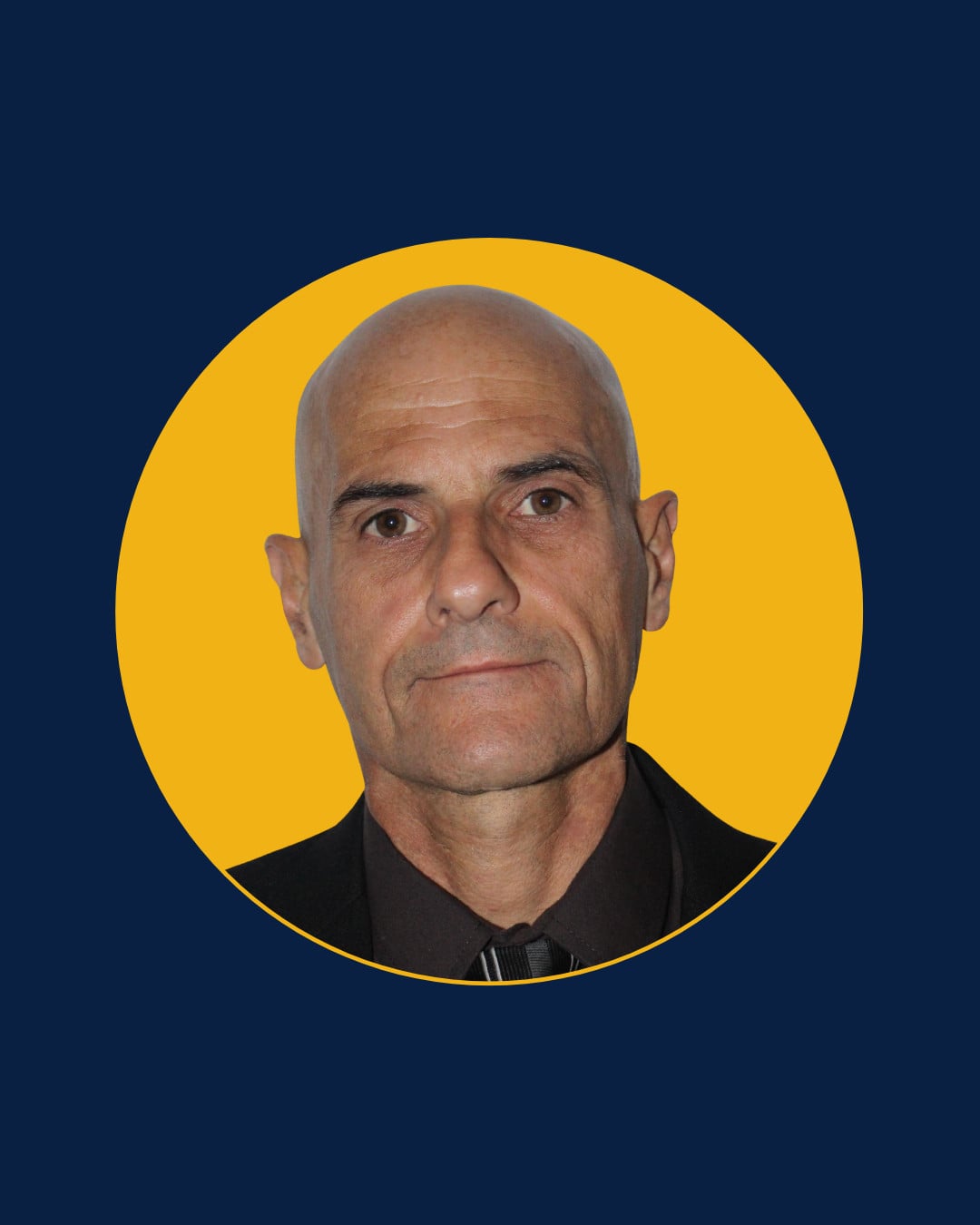

If you are looking for a succinct, two-hour master class in just about everything that is wrong with the post-conciliar Church, then look no further than Bishop Robert Barron’s appearance yesterday on Theo Von’s “This Past Weekend” podcast.
While much that was discussed was nominally recognizable as Catholic in the sense of the Novus Ordo religion, it mostly stank to high heaven of Modernism.
Before even hitting the four-minute mark, the first sign that the viewer was entering the modernist wastelands was Barron’s anecdote about the moment he was informed that he had been appointed a bishop. He told Von that he was lying on the couch on a Sunday afternoon in his shorts and T-shirt, “watching the golf,” when he received the phone call from the Apostolic Nuncio.
True, during the interview Barron defended the Real Presence, recommended Eucharistic adoration and the Rosary, spoke positively of sacramental confession, affirmed the reality of the devil, and described the Church as militant against the powers of darkness. But, as usual, the little good was quickly undermined by a whole lot of bad.
Ironically, considering that Barron routinely appears on podcasts with worldly-minded hosts, he lamented that the Church has lost confidence by “accommodating the culture” and insisted that Catholics should be “on the march against the dark powers.”
One of the most problematic moments happened almost immediately when Von asked about the difference between Catholicism and Christianity. Like the faithful pro-ecumenism son of Vatican II that he is, Barron correctly stated that the Catholic Church is the true Church founded by Jesus Christ, but immediately softened this by saying that Protestant churches possess “all kinds of gifts that Christ wants, too,” while Catholicism possesses the “fullness” of what Christ intended.
If nothing else convinced the viewer of Barron’s heterodoxy, then surely his repeated fawning over the modernist heretic Thomas Merton (1915–1968) did the job. Ridiculously, he called Merton “one of the great spiritual writers of the last century” and recommended him as someone to consult concerning prayer and the spiritual life. This quickly worsened when Barron discussed Buddhist meditation and approvingly invoked the Buddhist concept of the “monkey mind.”
Seeing nothing wrong with this, he noted Merton’s familiarity with Buddhism and then described the Rosary as being “like a mantra” — indeed, “a Catholic mantra.”
This left Von, who by and large seemed to be making a sincere enquiry, none the wiser and created the false idea that the Rosary is some kind of psychological technology for calming consciousness through repetition, instead of vocal and mental prayer centered upon the mysteries of Christ in union with His Blessed Mother.
Barron, of course, also made no attempt to make it clear to his host that Buddhism is a false religion from which souls should be converted to Christ.
The Dispatch
Continuing to reveal just how extensively Merton’s ecumenism and dabbling in Eastern philosophy have influenced him, Barron also told Von that “all of religious practice” is meant to effect the change by which man becomes less preoccupied with himself and called it “the whole purpose of it.”
Join the Counter-Revolution: Become a supporter of Integrity today!
Instead of explaining that Catholicism’s supreme purpose is the worship and glory of Almighty God and man’s sanctification and eternal salvation, Barron literally reduced it to a New Age religion of psychological self-transcendence. The viewer sees this failure throughout the interview, as Barron repeatedly translated supernatural religion into categories readily digestible to therapeutic modernity.
Another moment that perfectly illustrated which religion Barron belongs to came when Von raised the war in the Middle East and explicitly mentioned claims of “genocide.” When he asked how Catholics should understand the modern State of Israel in relation to biblical Israel, Barron’s response became noticeably cautious.
Rather than engaging Von’s reference to the present bloodshed directly, he first stressed that the Church recognizes Israel’s right to exist and then carefully distinguished the modern political state from biblical Israel, embracing a more subdued speaking manner.
But perhaps the interview’s most revealing and tragic moment came at the end, when Von explained that he was raised Presbyterian, has been praying and meditating more, and participates in a Bible study.
Taking into consideration the fact that Barron had already told him that the Catholic Church is the Church founded by Jesus Christ, this was a missionary opportunity that seemed almost too good to be true.
But instead of encouraging Von to investigate Catholicism, attend a Mass, or speak with a priest, Barron told him repeatedly, “Stay with the Bible study. That’s good. Stay with that.”
Read more: How clergy went from being holy and strong to hip and soy
This must have been Barron’s gravest failure, as almost 350,000 viewers (and counting) witnessed a supposed Catholic bishop confirm a sincere Protestant searching for God in his error.
Barron not only tarnished the reputation of the Church; he did, at the very least, one soul a disservice that might have eternal consequences.