Leo XIV has once again dashed the (false) hopes of conservatives and semi-trads who allowed their imaginations after the 2025 conclave to convince them that if they just “zipped it” enough on his many erroneous statements he might just reward them with more Traditional Latin Masses (TLM).
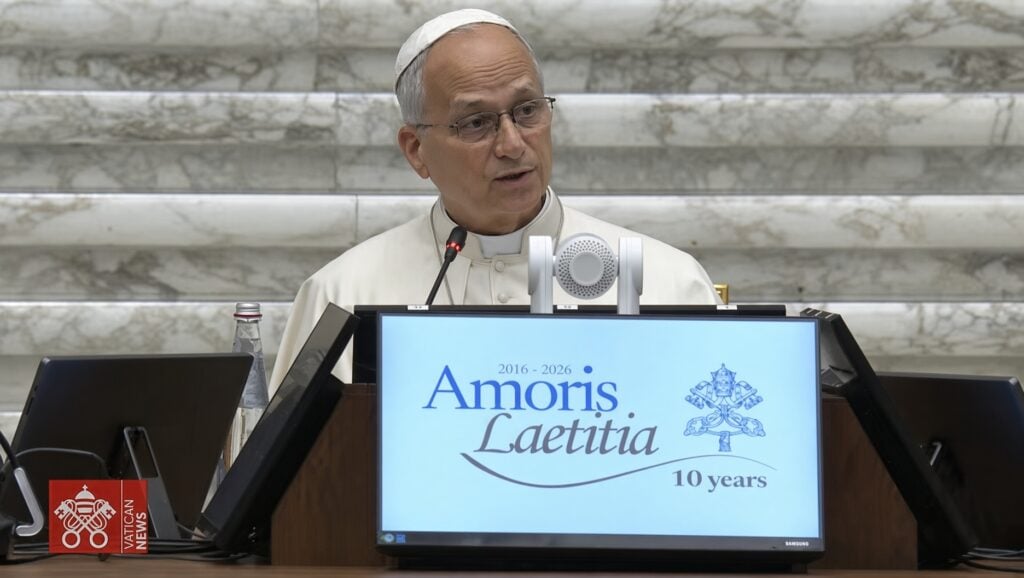
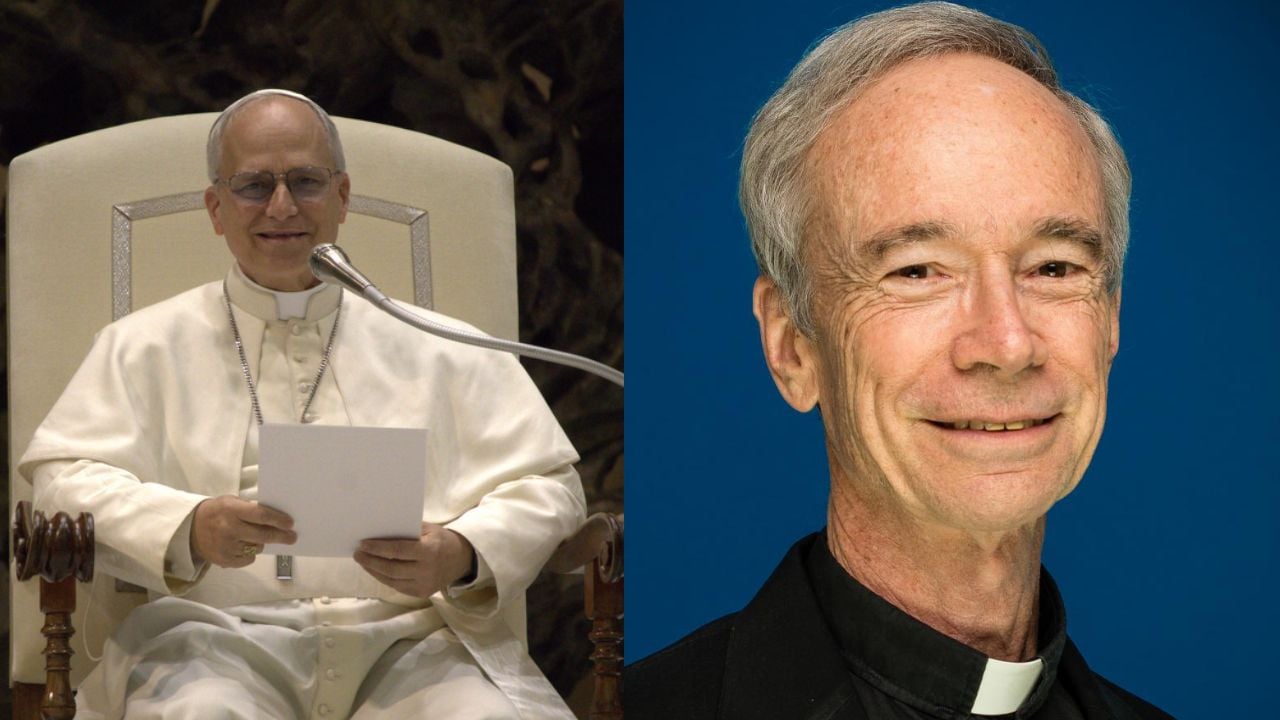
Leo’s catechesis on Sacrosanctum Concilium Wednesday should be a sobering moment for the reality-denying crowd. Far from suggesting a “liberation” of the TLM, Leo once again pointed in the opposite direction.
Doubling down on the Novus Ordo
In his remarks, Leo not only defended the legitimacy of the post-conciliar reforms but also presented them as the natural continuation of the Church’s liturgical tradition and, as such, something that should be normative going forward.
Among other things, Leo described the Council’s revision of the liturgical books as necessary and, citing Sacrosanctum Concilium, explained that Vatican II wanted the rites arranged so that “the Christian people, so far as possible, should be enabled to understand them with ease” in order to participate in them “fully, actively.”
After referencing “St. Paul VI,” Leo stated, unequivocally, that, “The liturgical reform promoted by the Second Vatican Council is thus firmly rooted in the living tradition of the Church.”
In saying such this just weeks after Cardinal Arthur Roche publicly remarked that he would not do away with Traditiones custodes, Leo has clearly planted his flag on the side of those who are striving to do away with the Latin Mass and integrate it with the Novus Ordo.
Elsewhere in his audience, Leo attempted to lend legitimacy to his conclusion by pointing to Pius XI and the reforms of Pius XII and John XXIII, describing the Council as continuing an existing trajectory of the reforms they put into motion.
Of course, the adjustments to the liturgical and prayer life of the Church made by pre-conciliar popes were nowhere near the drastic “reforms” rigidly enforced by Annibale Bugnini and Paul VI in the postconciliar years. Regardless, for Leo, the matter is settled: the Novus Ordo developed organically, and therefore there is no need to return to the TLM, or to make allowances for it.
Enjoying Integrity? Click here to donate today!
The mere fact that Leo has not only said nothing praiseworthy about the Latin Mass at this stage in his reign but has repeatedly allowed his appointees to continually attack it should indicate to everyone what his true position on the matter is.
In brief, for Leo and others, the Traditional Latin Mass is not the pinnacle of authentic liturgical development that occurred over centuries, but rather a blip on the screen that Vatican II legitimately revised and ultimately moved beyond.
Trad Inc. leaps into action
Just hours after Leo’s speech, Vatican reporter Diane Montagna publish an essay by Dom Alcuin Reed on her Substack blog. Clearly timed to counter Leo’s remarks, Montagna’s post blamed Leo’s speechwriters for his remarks instead of him. “Drafters of Pope Leo’s Wednesday catechesis did not serve him well today, accomplished liturgical scholar contends,” she wrote.
Influencer Taylor Marshall also released a podcast Wednesday. Instead of drawing attention the more troubling aspects of Leo’s remarks, he papered over them by focusing on the meaning of “active participation.” This failure to tell the truth about Leo’s comments contradicts past remarks Marshall made about Sacrosanctum Concilium under Francis. The discrepancy was noted a video montage by satirist Michael Naaden, who goes by the name Sede Picante on X.
The Dispatch
On Thursday, Vatican reporter Nico Spuntoni released an interview with conservative Cardinal Robert Sarah, who rightly denounced Traditionis custodes while maintaining that the Church “cannot wage war against those who devoutly participate in Mass simply because they prefer one form over another.”
The goal of the interview, of course, is to shift the narrative so conservatives and traditionalists won’t give up hoping that Leo will one day come around to his senses.
Jesuit Thomas Reese weighs in
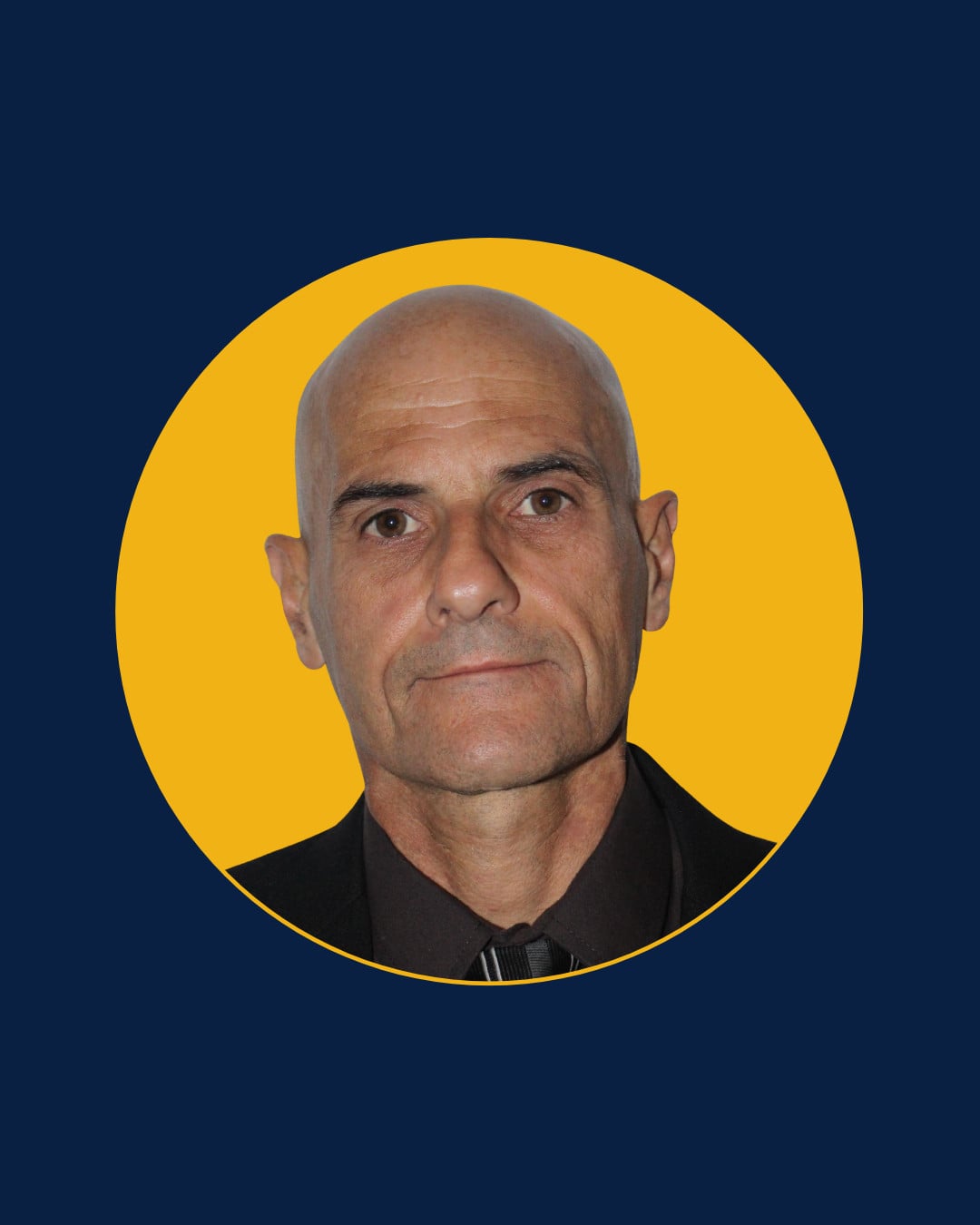
Just how deeply — and how resentfully — the TLM is viewed as a relic of the past to which the Church should never again return was underscored by notorious modernist Thomas Reese, a Jesuit priest who penned a column one day before Leo’s remarks entitled, “Why I Hate the Old Latin Mass.”
Even though Reese, a longtime critic of traditional Catholic positions, presented his argument “humorously,” its vehement hostility toward the Latin liturgy was loud and clear.
Despite trying to soften the blow by claiming that he doesn’t hate those who attend the TLM, Reese’s essay is, in fact, deeply hostile to them. Sadly, his comments likely reflect the majority sentiment of the hierarchy and act as the more honest version of Leo’s Wednesday catechesis.
One of Reese’s opening claims is that “the old Latin Mass is like a zombie” in that it “keeps coming back.” He then expresses perplexity about the language issue. “We thought it would fade away or people would be satisfied with going to a Latin version of the new liturgy. Not so.”
One cannot help but be reminded of Leo XIV’s interview last year with Crux. At the time, Leo revealingly said: “Well, you can say the Latin Mass right now. If it is the rite of Vatican II, the Mass of Paul VI, there is no problem.”
Reese then attacked what he calls “the ideologues who say the new Mass is blasphemous and who reject the teachings of the Second Vatican Council on things like ecumenism, social justice and the role of the laity in the church.” This is simply another crude caricature of how Traditional Catholics are viewed by the hierarchy; Reese is just saying it out loud. His caricaturization does little to neutralize the legitimate arguments about the dangers of the Novus Ordo Missae and the deplorable false religion that flowed from Vatican II.
In a highly ironic moment, considering that the Jesuits have become the poster boys for wayward disobedience, Reese tries to gaslight Traditional Catholics by claiming that during his Jesuit novitiate in 1962, when the Church changed the liturgy, “we saluted and did it without questions” because “obedience was the most important virtue in the old church.” Clearly, obedience is no longer a virtue in the new “church” Reese so enthusiastically defends.
The gaslighting became even more explicit when Reese declared that “If they want to be traditionalists, they should be obedient to the council and the popes who have promoted the liturgy in the vernacular.”
This statement serves as a definition of a dead tradition, as it makes the assumption that being a “traditionalist” simply means obeying whatever diabolical garbage the ecclesial squatters in Rome are promoting.
There is no need to morbidly dissect Reese’s whole article, though it would make a good, severe penance. Suffice it to say that it is a grittier and more honest reflection of the general sentiment of the synodal hierarchy, albeit in bad taste.
Whether wrapped in the sanctimonious language of Leo’s catechesis on Sacrosanctum Concilium, or in Reese’s vulgar expression of hatred disguised as humor, the message remains the same: there is no place for the Mass of the Ages in the Synodal Church.