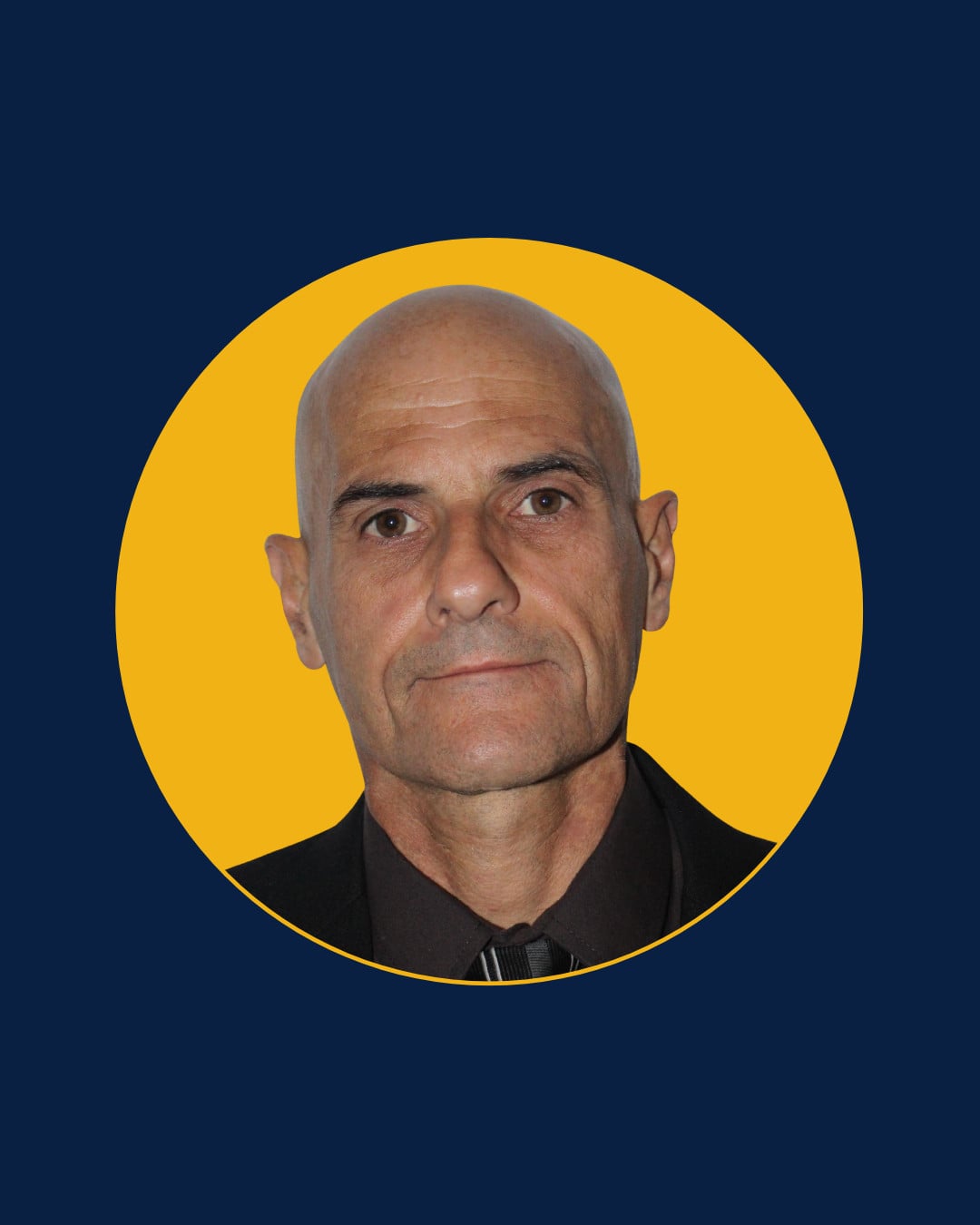
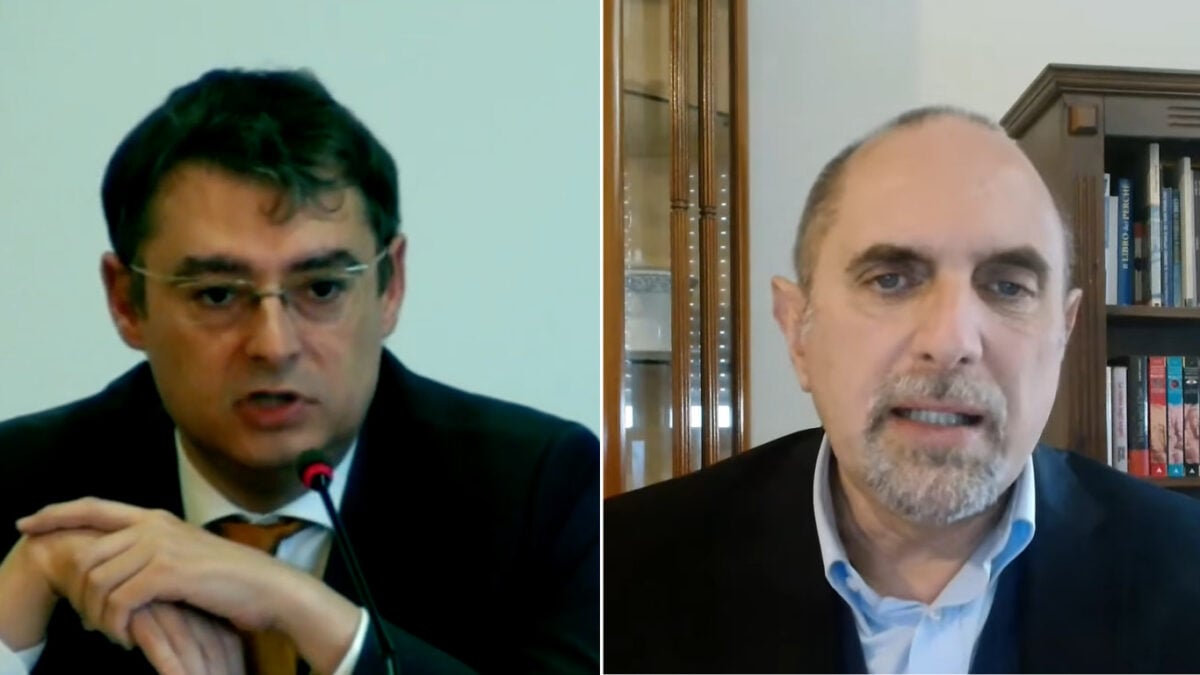
Italian Catholic intellectuals, Professor Martino Mora and Professor Massimo Viglione, have come out strongly against Leo XIV’s participation in the United States elections last week.
Both critiques, which were published on the Aldo Maria Valli blog but also circulated by Archbishop Carlo Maria Viganò on X, warned that the implications of Leo’s participation extended far beyond the elections themselves, and that he represented a radical and deeply problematic redefinition of the role of the papacy in the modern world.
Although their arguments differed in emphasis, both professors identified the danger of reducing the Vicar of Christ to an ordinary participant in the political and ideological structures of secular society.
Degrading the ‘dignity’ of the office
Professor Martino Mora, an Italian philosopher and commentator associated with traditionalist Catholic thought, presented the controversy as the culmination of a historical process beginning decades before Leo election.
“When the Supreme Pontiff, the only spiritual monarch existing in the world, votes in the American midterm elections like any ordinary voter, and moreover makes it known to everyone, the highest dignity of his role is debased and cast into the dust,” Mora said.
Even more scathingly, he added that, “It took a Yankee on the Throne of Peter to go even further, in desacralizing his role, as the guest of honor on Fabio Fazio’s evening show.”
For Mora, the heart of the problem lies in Leo’s embrace of the democratic and egalitarian principles introduced by the revolution.
“The head of a spiritual hierarchy, he who should hold auctoritas, submits to the cult of numbers and to the egalitarian and profane superstition of one man, one vote,” he lamented.
Mora went on to argue that the incident cannot be viewed in isolation from the transformation the Catholic Church has undergone since the disastrous Second Vatican Council, declaring that “for the past sixty years the Church and the Papacy have submitted to the victors of two world wars and ultimately of the Cold War. They have taken on its bourgeois, secular, profane, individualist, materialist spirit.”
Click here to support Integrity’s independent Catholic journalism!
Mora further observed that it is “not an alliance, but an act of submission. To liberal democracy, to the abstract humanitarianism of human rights, to para-Masonic ecumenism, and, beneath it all, also to capitalism.”
The Dispatch
He concluded his essay with the brutal accusation that Leo was chosen exactly because “the Yankee pope, good democratic citizen of the egalitarian cosmopolis, could only represent the absolute culmination of this process of desacralization of the Papacy and of modernist submission to the dominant regime and ideology.”
To be a ‘man of the world’
Professor Massimo Viglione’s reflection, entitled Leo XIV and the Sovereign People, was equally unforgiving, concentrating on the theological implications of the actions of the apparent pope.
“A pope who lets the entire world know that he votes in the elections of his own country — something no one had ever done before, not even Bergoglio — not only is clearly engaging in electoral advertising, being absolutely certain for everyone who he does not vote for (Trump), but is actually carrying out an operation infinitely more destructive and subversive than that which is specifically political,” wrote Viglione.
According to Viglione, the stunt diminishes the dignity of the papacy since “it is the clear and manifest intent to reduce the figure of the Pope to a man of the world like any other, who, like any other, engages in democratic and liberal political activity.”
“In other words, he does what Peter (“You are Peter”) should not, could not, and should never wish to do,” said Viglione.
Devaluing the office
Like an inquisitor, Viglione further proceeded with an increasingly devastating series of questions.
“Can a pope disfigure, devalue, reduce to the pathetic, humanize in such a manner what is not only human, and which exists only and precisely because of its divine nature as well as human,” he asked. “Can he place Peter himself — that is, the Church — at the service of the State?”
While most traditional Catholics hardly needed two Italian intellectuals to tell them that Prevost, like his predecessor Bergoglio, is destroying the papacy, their voices certainly lend considerable weight to that diagnosis.
Mora and Viglione demonstrated, respectively, that Leo’s participation in American elections represents the culmination of decades of submission to secular liberalism and political power, and that the ultimate danger lies in transforming the Vicar of Christ into an ordinary citizen subservient to the revolutionary political system.