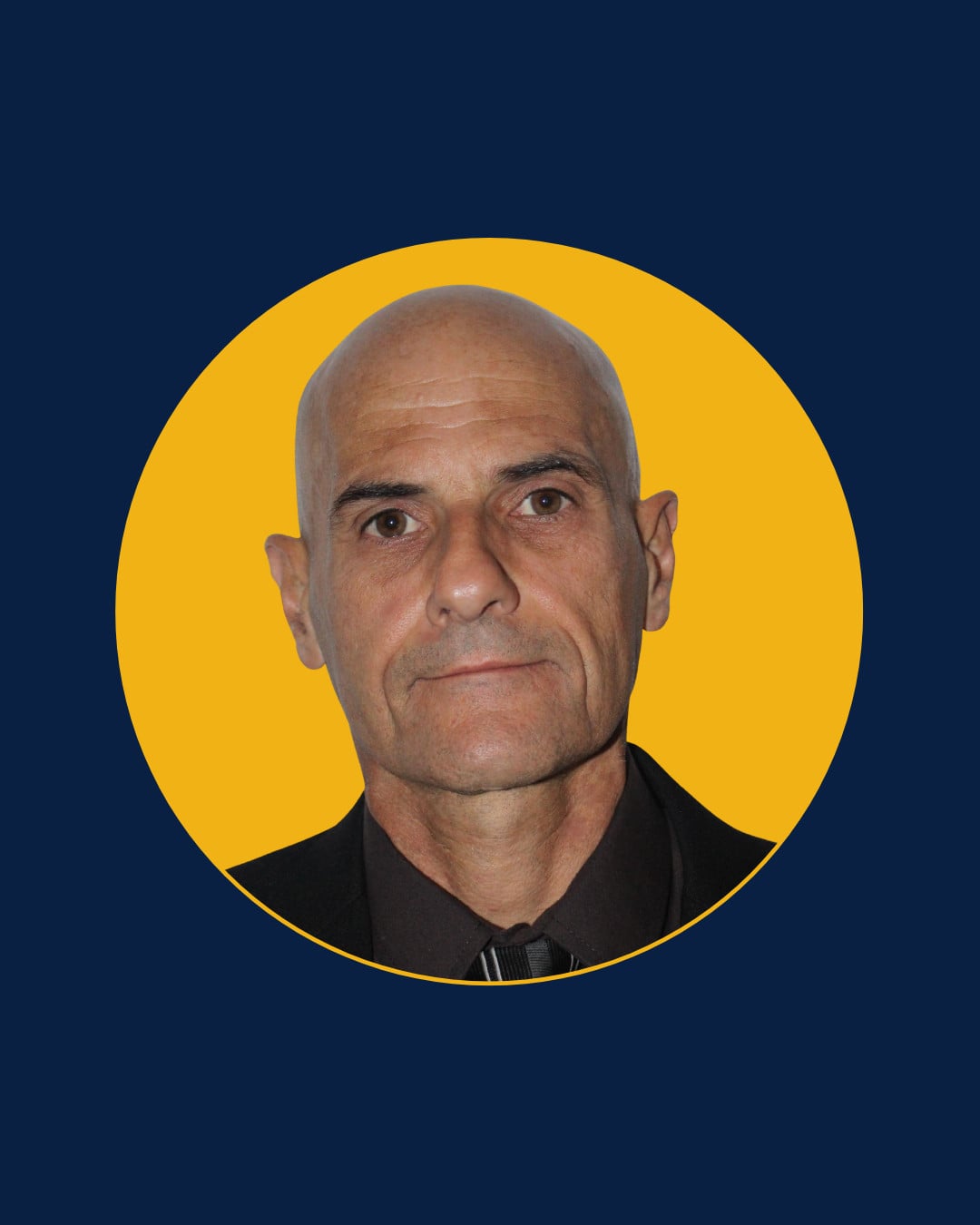
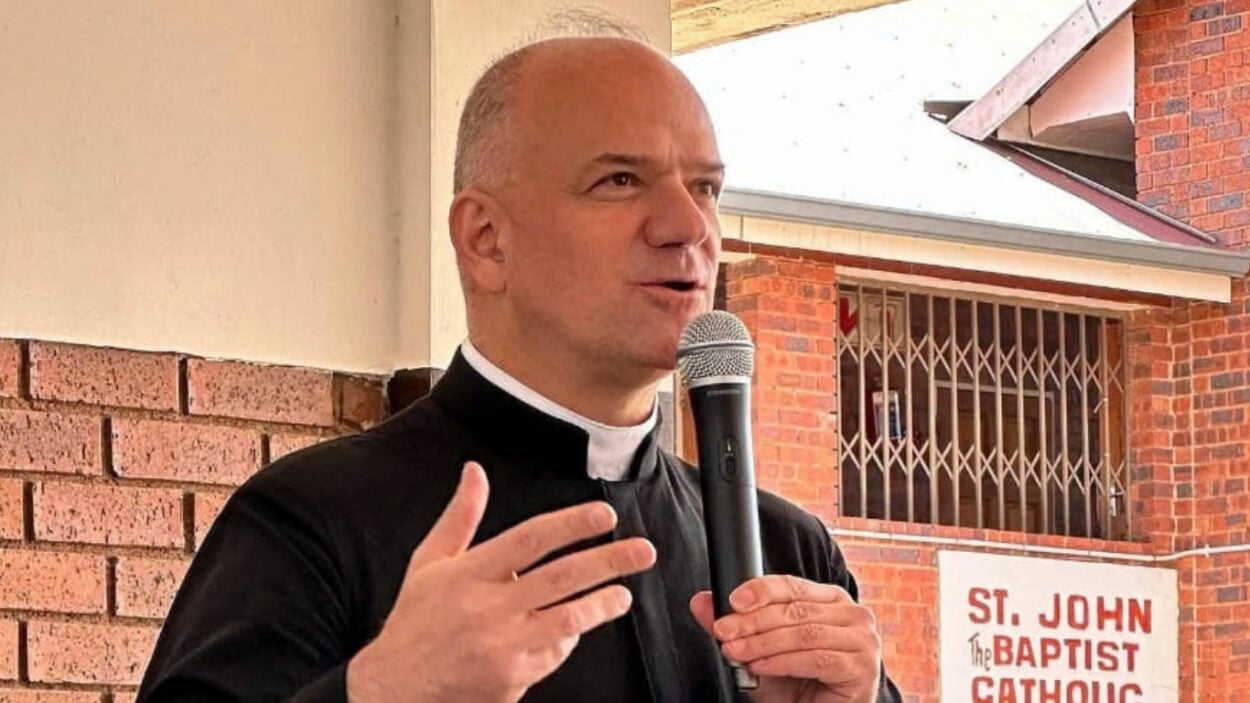
Fr. Davide Pagliarani, the Superior General of the Society of Saint Pius X (SSPX), offered his first public reflections on what was surely the most dramatic event in the traditional Catholic world this pas year: the SSPX’s episcopal consecrations and subsequent confrontation with conciliar Rome.
Speaking at the Priory of Our Lady of Sorrows in Roodepoort, South Africa Saturday, Pagliarani explained that it was his first journey outside Europe since the July 1 consecrations because for almost a year he remained close enough to Rome to travel there at short notice, while hoping for an encounter with Leo XIV.
Pagliarani, who was elected Superior General in 2018, denied that the Society had simply taken its decision and then presented Rome with it fait accompli.
“It’s not the case,” he insisted to the more than 100 laity and clergy who were present. “I would like you to understand better what we did and why. We cannot agree on doctrine. Because if we can agree on doctrine, the Society is not needed anymore. It would mean that the crisis is over.”
Pagliarani also said that years of discussions had demonstrated the impossibility of resolving the fundamental doctrinal conflict by way of negotiation, adding that Vatican officials themselves had recognized this reality years earlier: “They told me, ‘It is useless that we talk about that.’” As a result, the Society approached Rome to recognize the concrete supernatural needs of the souls who depend upon Tradition.
“The Society is existing, is a reality, with a lot of souls all over the world,” he said. “How many people found again a religious practice through the Society?”
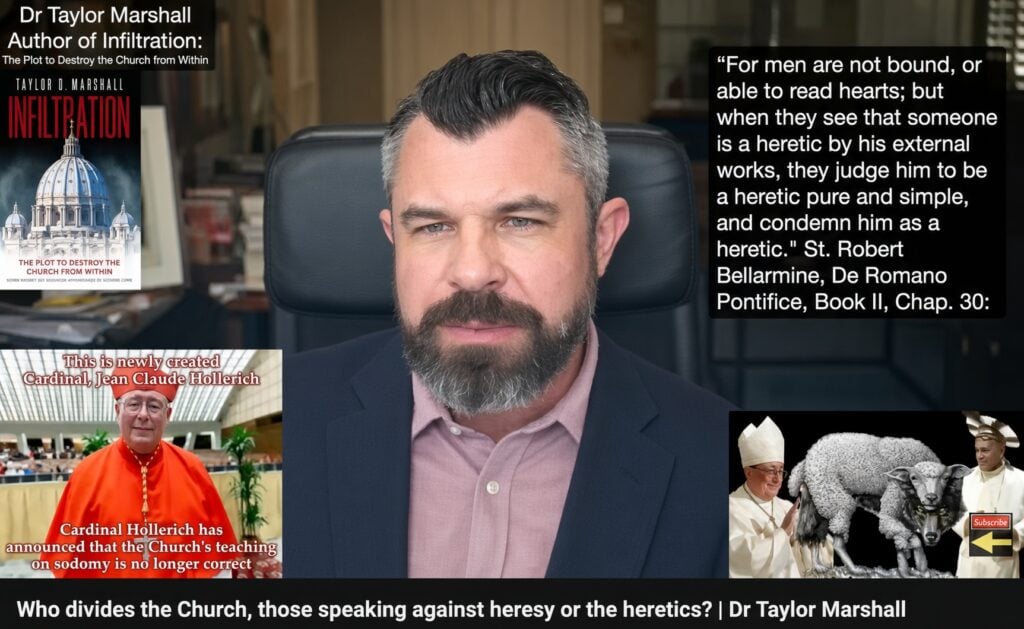
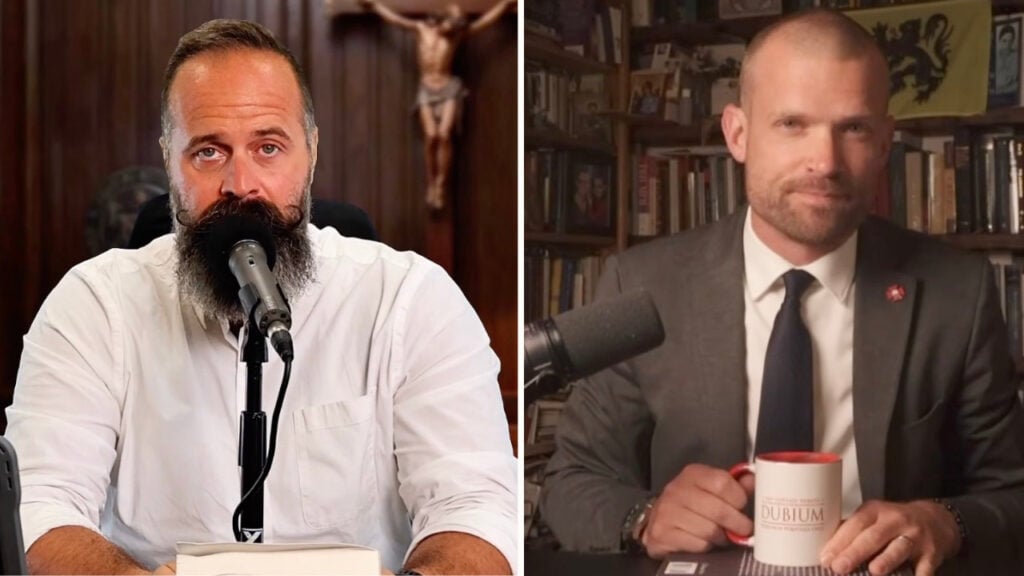
The consecrations of the four new SSPX bishops were held in Écône, Switzerland, earlier this year, drawing the attention of the entire Catholic world. The disagreements they produced were so dramatic that they arguably caused the Traditional Catholic movement, as it had been known in the United States, to dissolve. Taylor Marshall, Eric Sammons, and others opposed the consecrations, while longtime SSPX supporter Kennedy Hall defended them.
Pagliarani further argued that for the souls who seek spiritual nourishment from the Society, consecrating new bishops was not an optional embellishment, but a necessary action for the continuation of seminaries, ordinations, confirmations, and the transmission of the traditional Catholic priesthood.
“We promise the pope that all our works — seminaries, faithful Catholic families, religious convents — all this work is offered to the Church, because we are sure that one day one Pope will be willing to use our work.” This, he suggested, is essential to understanding the Society’s conception of Tradition, which he defined as “not just a collection of books, of texts, of declarations. Tradition is living, incarnated in souls … it is living, and that’s what we offer the pope.”
Rome helped clarify the issue
According to Pagliarani, Rome declined to consider this proposed solution and instead offered renewed “dialogue,” even though both parties already knew that another round of discussions could not resolve the doctrinal disagreement.
“They know that dialogue doesn’t work with the Society. They know that we cannot agree, but they wanted to show openness,” he said.
For Pagliarani, the ensuing condemnation demonstrated precisely how profoundly intractable the conflict had become. He described Rome’s response as “shooting in the crowd,” arguing that the measures reached beyond those directly responsible for the consecrations to ordinary Catholics who attend SSPX chapels. “We offered — that was our promise to the pope — our works,” he said. “Not only did they not take into account this possibility, but they excommunicated all the works.”
At the same time, Pagliarani said he believed the severity of Rome’s response produced an unintended effect. Rather than frightening the faithful away, it clarified what was at stake.
“The condemnation was so unreasonable that it had the effect to shake people, to shake the faithful. The faithful all understood not only the need of consecrations, but they understood that it is a question of death or life.”
He also said that the consecrations became a moment of decision, not merely for the Society’s leadership but for every faithful Catholic associated with its apostolate.
“Each one of you, following the Society, accepting this decision, actually had to choose also,” he remarked. And that choice, he added, must ultimately be understood in terms of the Faith itself: “To fight for Tradition is nothing else but to fight for Our Lord, for His divinity, for His kingship, for His rights, for the beauty of this doctrine.”
“Without doctrine, we cannot know the truth,” he continued. “We cannot know Our Lord. We cannot know eternity. We cannot prepare ourselves for eternity. We need both the purity of our life and the purity of our faith.”
The Dispatch
The rationale behind appealing to Rome
Pagliarini then explained to attendees why the Society bothered to appeal the excommunications. He also touched on whether the SSPX regards the condemnation as unjust.
“The appeal was important to show that we were not schismatic,” he explained. “A real schismatic, who separates from the Church, doesn’t ask the Church to judge him according to the law of the Church.”
“We ask the pope to be judged according to canon law, the law of the Church, properly.”
According to Pagliarani, the appeal is a profession of the Society’s claim that its resistance is undertaken within the Church and for the preservation of what it believes the Church has always handed down.
Join the Counter-Revolution: Become a supporter of Integrity today!
When challenged directly by an audience member about consecrating bishops contrary to an explicit Roman prohibition, Pagliarani returned to the principle of necessity, explaining that the Society acted because it judged that the survival of Tradition and the spiritual welfare of souls were gravely endangered.
“For us it is a question of death or life,” he said. “This act is an act to be faithful to the Church, not to separate from the Church. Because all this is to keep the Faith, keep Tradition.”
The charity of telling the truth
Pagliarani also addressed the accusation that the SSPX’s uncompromising position represents a failure of charity towards the wider Church.
“What does the Church need today?” he asked. “If you have charity, I give to my neighbor what my neighbor needs. If he needs food, I give him food. If he needs water, I give him water.”
And what, above all else do souls need, he asked, before answering himself: “They need the truth to save their souls. They need the Faith, but there is no Faith if you don’t preach the truth.”
Pagliarani also said that it is not the SSPX who lacks charity, but Rome. Faith is not merely “a feeling that God is loving me,” he remarked, but possesses definite content: “articles” and “dogmas” which must be preached, explained and believed.
This conviction, Pagliarani argued, is what governed the Society’s entire handling of the consecrations.
“We just chose, since the very beginning, to tell the truth to everybody — to the pope first … we explained why we were going to consecrate bishops, why they are needed, and we made a profession of faith. A true profession of faith.”
The same principle applies to the sacraments, he added. “The souls, they need this. They have a right to this. And we provide them — we take the means to provide them what they need.”
Pagliarani also argued that Tradition cannot survive as a museum piece, a temporary concession, or a liturgical preference enjoyed by a small enclave. It must remain capable of forming priests, nourishing families, preaching doctrine openly and transmitting the Faith to another generation.
“Traditional Mass, traditional teaching, traditional Faith, is not a privilege,” he insisted while reiterating that the consecrations were not undertaken because the SSPX wished to dispense with Rome, but because it believed that it could not abandon what it had received while waiting for Rome to recover it.
“It’s because we love the Church that we want and we need the means to speak up for the good of the Church,” he said.
Pagliarani’s ultimate message in South Africa was simple: the consecrations were not about the survival of the SSPX as an organization, but about the survival and transmission of Catholic Tradition itself — living, preached, sacramental and “incarnated in souls.”