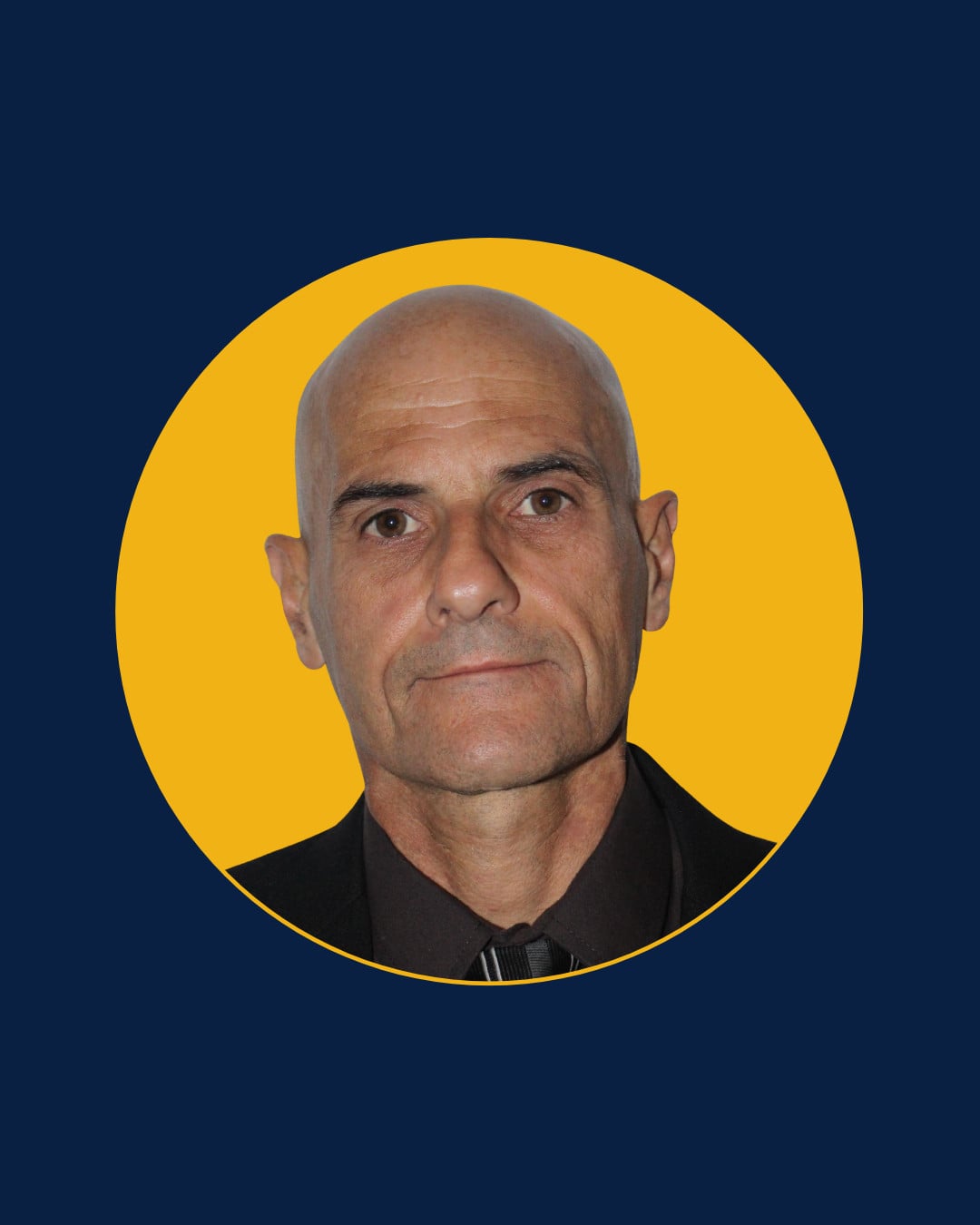
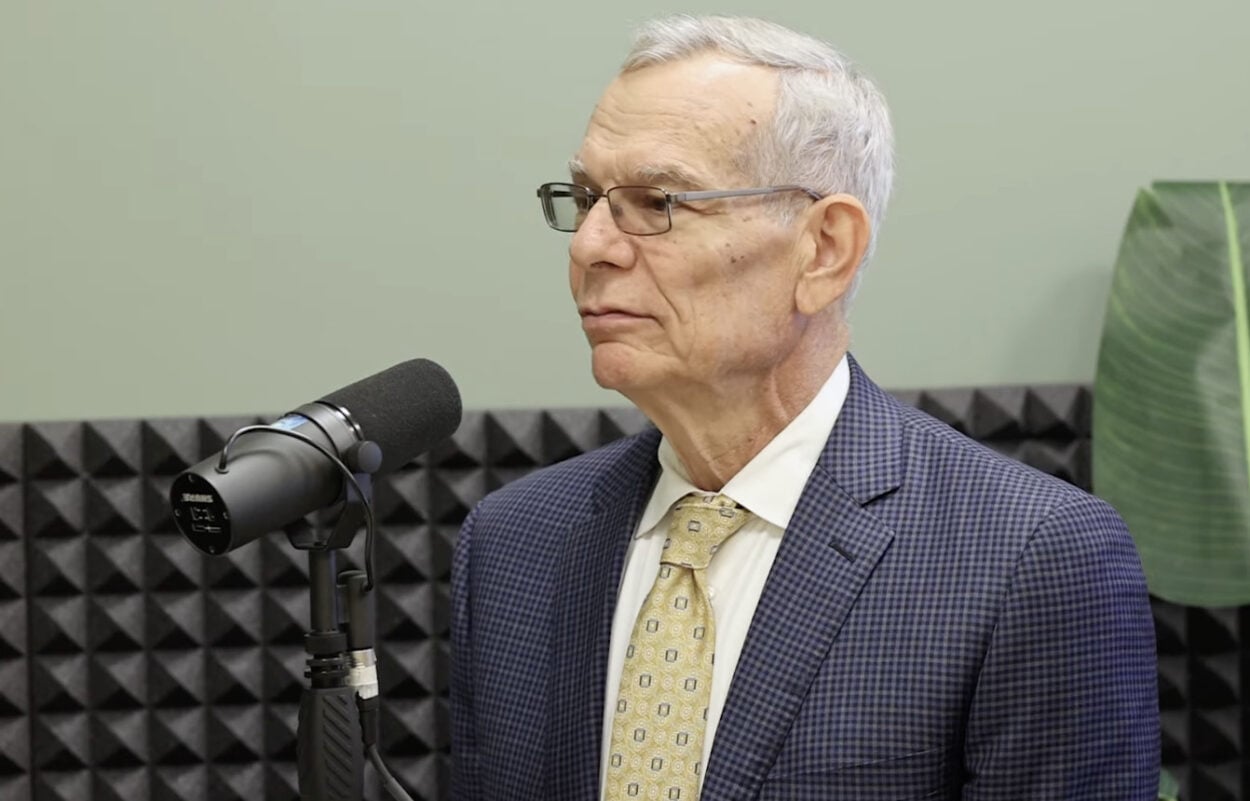
Leo XIV has approved the 2026 Ratzinger Prize to American theologian John C. Cavadini, and will personally present it to him at the Apostolic Palace on December 19 later this year.
The Ratzinger Prize is awarded by the Joseph Ratzinger-Benedict XVI Vatican Foundation with papal approval. It honors scholars distinguished for exceptional achievement in theological and academic research.
No one can argue that Cavadini, who is a Professor of Theology at the University of Notre Dame and director of its McGrath Institute for Church Life, is not, at least by conventional academic standards, a credible recipient. He is also a well-known scholar of patristics, particularly St Augustine. Benedict himself personally appointed Cavadini to a five-year term on the International Theological Commission. He has also served for years as a consultant to the USCCB’s Committee on Doctrine.
But one detail surrounding the award is raising suspicions and begs the question: is Leo once again signaling that there will be no restoration of the liturgical settlement established by Benedict XVI?
Now, one may rightly ask: why would this be a reasonable conclusion to make? Consider that in 2022, Cavadini, along with Mary Healy and Fr. Thomas Weinandy, published an extensive series of articles in Notre Dame’s Church Life Journal examining the post-conciliar liturgical reform and what they called the “TLM movement.”
Despite denouncing abuses that followed the conciliar liturgical reforms, the authors’ judgement of Benedict’s Summorum Pontificum document was severe. Among other things, Cavadini and his colleagues questioned whether Benedict’s pastoral generosity had been truly “wise,” arguing that his accommodation of the Tridentine Mass had undercut a fundamental principle of liturgical renewal. They even raised the tired old argument that worshippers at the Traditional Latin Mass had less opportunity for active participation.
One of the trio’s strongest criticisms was that, by normalizing the Tridentine Mass, Benedict had “undermined” his own hermeneutic of continuity and “unwittingly employed a hermeneutic of discontinuity.” This struck at the heart of Summorum Pontificum, they said, which many conservatives and traditionalists see as one of the defining acts of Benedict’s pontificate.
In his 2007 letter accompanying Summorum Pontificum, Benedict maintained that the older and newer missals need not represent a rupture, while appealing for liturgical reconciliation within the Church. In the same letter, he made his much-quoted declaration that what previous generations regarded as sacred “remains sacred and great for us too.”
The Dispatch
Cavadini and his co-authors effectively undermined that argument. According to them, Benedict’s attempt to give the traditional rite an established place in the Church was itself a form of discontinuity. They also criticized those in the traditionalist movement who defined themselves against Catholics attending the reformed liturgy, although they acknowledged that traditional Catholics themselves can suffer from an unjust “reverse elitism.”
Join the Counter-Revolution: Donate to Integrity today!
Again, Cavadini’s scholarly accomplishments are impressive. But papal prizes are often symbolic acts that communicate a message, and both the timing and the choice seem more than merely coincidental: Leo has approved the Ratzinger Prize for a theologian who publicly challenged one of Ratzinger’s most consequential liturgical decisions.
At the very least, faithful Catholics are entitled to ask what message the choice is intended — or at least likely — to convey.
But if that seems too speculative, another uncomfortable recent development appears to point in the same direction.
Organizers of this October’s Summorum Pontificum pilgrimage requested a papal audience in December 2025, delivering their request through Bishop Athanasius Schneider. But nine months later, according to the organizers, no answer has been received, and no audience appears on the published program.
The group’s request for a pontifical Traditional Mass in St Peter’s was also denied for this year, another sign that Leo is sending them an unambiguous message: they are not welcome inside the Synodal ecosystem.
Add to that the slew of tyrannical actions that preceded these latest incidents, such as the suppression of diocesan TLMs and the excommunication of the SSPX and its faithful, and the picture becomes increasingly difficult to ignore.